Heat Damaged Hair Explained: Signs, Causes & How To Repair It
Heat-damaged hair occurs when repeated exposure to high temperatures weakens the hair fibre, leading to dryness, breakage, and loss of natural texture. If you’re wondering what heat-damaged hair is, it refers to hair that has lost its strength and elasticity due to excessive use of heat styling tools, such as straighteners, curling irons, and blow dryers. Understanding the signs of heat-damaged hair, its causes, and how to repair it can help restore your hair’s health and prevent further damage.
What Is Heat-Damaged Hair?
Heat-damaged hair is hair that has been structurally weakened due to frequent exposure to high temperatures. Heat disrupts the hair’s natural protein bonds and lifts the cuticle layer, making hair rough, dry, and prone to hair breakage. Hair with heat damage often loses its natural pattern, curly hair may become limp, while straight hair may appear frizzy and dull.
Signs Of Heat-Damaged Hair
Recognising the signs of heat-damaged hair early can help prevent further damage. Common signs include:
- Dry, brittle texture
- Split ends and breakage
- Loss of natural curl or wave pattern
- Excessive frizz and flyaways
- Dull, lacklustre appearance
- Rough or uneven hair
If your hair feels unusually rough or doesn’t hold styles well, it may indicate hair with heat damage.
Causes Of Heat-Damaged Hair
Understanding the causes of heat-damaged hair helps you make better styling choices.
1. Frequent Use Of Heat Styling Tools
Regular use of straighteners, curling irons, and blow dryers exposes hair to high temperatures, weakening the hair structure over time.
2. High Heat Settings
Using tools above recommended temperatures can break down the hair’s natural proteins, leading to long-term damage.
3. Lack Of Heat Protection
Skipping heat protectant products increases direct heat exposure, making hair more vulnerable.
4. Styling Wet Hair
Applying heat to wet hair can cause severe damage, as water inside the hair shaft expands and weakens the fibre.
5. Repeated Styling Without Recovery
Not giving hair time to recover between styling sessions leads to cumulative damage.
In Summary
Heat-damaged hair is primarily caused by frequent use of high-temperature styling tools, lack of heat protection, and repeated exposure without proper recovery. These factors weaken the hair’s protein structure and lift the cuticle, leading to dryness, breakage, and loss of natural texture over time.
Does Heat Cause Hair Loss?
A common concern is: does heat cause hair loss? Heat does not directly cause hair loss from the root, but it can cause breakage-related hair fall. When hair becomes weak and brittle, it breaks easily, which may appear as increased hair fall.
Ingredient Science: How Repair Works
Repairing heat-damaged hair requires ingredients that restore the hair’s internal structure and protect the cuticle. Key ingredients include:
- Ceramides: Help rebuild the hair’s protective barrier and smooth the cuticle
- Proteins (like keratin): Strengthen the hair fibre and restore elasticity
- Amino Acids: Repair damaged areas and improve resilience
For example, advanced repair systems like those used in Kérastase’s Resistance-focused formulations work by reinforcing the internal hair structure and improving fibre strength, making them effective for heat damaged hair treatment.
How To Repair Heat-Damaged Hair?
If you’re wondering how to repair heat-damaged hair, the solution lies in a consistent, repair-focused routine.
Step 1: Switch To Repairing Shampoo
Use a strengthening shampoo designed for damaged hair to gently cleanse without stripping moisture.
Step 2: Use A Nourishing Conditioner
Conditioners help smooth the cuticle and restore hydration, which is essential when learning about how to fix damaged hair from heat.
Step 3: Apply A Weekly Hair Mask
Deep conditioning treatments are one of the best remedies for heat damaged hair. Use a hair mask to:
- Repair internal damage
- Improve elasticity
- Reduce breakage
Step 4: Use Leave-In Treatments
Leave-in products help protect hair throughout the day and reduce further damage. They also improve manageability and reduce frizz.
Step 5: Always Use Heat Protectant
Before styling, apply a heat protectant to minimise damage. This is essential for preventing further heat-damaged hair.
Step 6: Reduce Heat Styling
Limiting the use of hot tools allows hair to recover and rebuild strength.
In Summary
Repairing heat-damaged hair requires a consistent routine focused on gentle cleansing, deep conditioning, and protection from further damage. Using strengthening shampoos, nourishing masks, and heat protectants helps restore moisture, improve hair strength, and gradually enhance overall hair health.
Remedies For Heat-Damaged Hair
In addition to products, certain habits can help improve hair condition:
- Avoid daily heat styling.
- Use lower heat settings.
- Air-dry hair when possible.
- Maintain a balanced diet.
- Trim split ends regularly.
These simple changes can enhance the effectiveness of your heat-damaged hair treatment routine.
Understanding what heat-damaged hair is is the first step toward restoring your hair’s health. By identifying the signs of heat damaged hair, addressing the causes of heat-damaged hair, and following a consistent repair routine, you can gradually improve hair strength and texture.
With the right combination of repair hair treatments, protective hair styling products, and mindful styling habits, it’s possible to repair heat damaged hair and bring back softness, shine, and resilience over time. So, without any further ado, browse through a wide range of Kérastase hair care products to flaunt the healthy hair of your dreams. You can also head to the Hair Quiz to discover the perfect routine tailored for you in minutes.
Frequently Asked Questions
Products You May Like
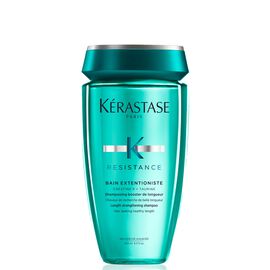
Résistance Bain Extentioniste Shampoo
Length boosting, strengthening shampoo for slow-growing, damaged lengths.
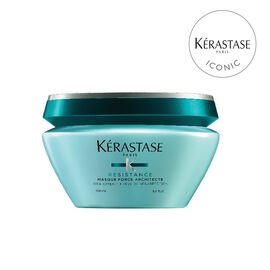
Resistance Masque Extentioniste Mask
Length strengthening hair mask for slow growing, damaged lengths.