


What Causes Dandruff? Common Triggers & How to Manage Them
Dandruff may seem like a simple scalp concern, but persistent flakes often point to deeper imbalances beneath the surface. From environmental stressors to lifestyle habits, understanding what causes dandruff is the first step toward restoring scalp harmony. Whether it appears as occasional flaking or progresses into severe dandruff, the condition requires targeted care rather than guesswork.
What Is Dandruff, Really?
Dandruff is a scalp condition characterised by flaking, itching, and irritation. While mild dandruff can come and go, frequent flakes or redness may indicate an underlying issue affecting scalp health. The reason for dandruff in hair varies from person to person, which is why a one-size-fits-all solution rarely works.
What Causes Dandruff?
Understanding what causes dandruff begins with recognising that the scalp is skin, and like facial skin, it reacts to internal and external triggers.
1. Excess Oil Production
An overly oily scalp can create the perfect environment for yeast-like fungi to thrive. This is one of the most common causes of dandruff in hair, especially among individuals with oily scalps. When excess sebum builds up, it disrupts the scalp’s balance and accelerates flaking.
2. Malassezia Overgrowth
Malassezia is a naturally occurring microorganism on the scalp. However, when its growth becomes excessive, it irritates the scalp and speeds up skin cell turnover. This imbalance is often a key factor behind severe dandruff, leading to visible flakes and persistent itching.
3. Dry or Dehydrated Scalp
Contrary to popular belief, dandruff isn’t always linked to oiliness. A dry, dehydrated scalp can also shed flakes as it struggles to maintain moisture. In such cases, the reason for dandruff in hair is often harsh cleansing, excessive heat styling, or seasonal weather changes.
4. Sensitivity to Hair Products
Certain shampoos, styling products, or chemical treatments can irritate the scalp barrier. Fragrances, sulphates, or frequent colouring may trigger inflammation, making product sensitivity one of the overlooked causes of dandruff in hair.
5. Stress and Lifestyle Factors
Chronic stress weakens the skin’s natural defences, including the scalp. Poor sleep, hormonal fluctuations, and nutritional deficiencies can also explain what causes dandruff, especially when flakes appear suddenly without changes in hair care routines.
When Dandruff Becomes Severe
Occasional flakes are manageable, but severe dandruff is more persistent and often accompanied by redness, itching, or discomfort. It may extend beyond the scalp to areas like the hairline or eyebrows. At this stage, flakes are not merely cosmetic; they indicate an ongoing scalp imbalance that needs corrective care.
Ignoring severe dandruff can worsen sensitivity and lead to scalp discomfort over time. Addressing the root trigger rather than masking flakes is essential for long-term relief.
How to Manage Dandruff Effectively
Once you understand what causes dandruff, management becomes far more strategic.
1. Choose the Right Cleanser
Using a targeted anti-dandruff shampoo helps regulate scalp turnover and reduce flakes. The key is consistency; overwashing can aggravate dryness, while under-cleansing may worsen oil buildup.
- Anti-dandruff shampoo for dry scalp: Choose Kérastase’s gentle anti-dandruff shampoo for dry scalp. Its moisturising formula will treat flakes without stripping essential oils. This helps soothe tightness and restore comfort while addressing dandruff at its source.
- Anti-dandruff shampoo for oily scalp: Opt for a purifying formula anti-dandruff shampoo for oily scalp formulated by Kérastase to control excess sebum and prevent buildup. It deeply cleanses the scalp, helping reduce recurrent flakes while maintaining a fresh, balanced feel.
2. Rebalance the Scalp
Lightweight scalp anti-dandruff serum or treatments can help calm irritation, regulate oil, and support a healthier scalp ecosystem. These are particularly beneficial when the reason for dandruff in hair lies in sensitivity or stress.
3. Avoid Aggressive Habits
Excessive scratching, hot water washes, or frequent heat styling can worsen flakes. Gentle handling preserves the scalp barrier and prevents irritation that contributes to severe dandruff.
4. Support from Within
A nutrient-rich diet plays a supporting role in scalp health. Adequate intake of zinc, B vitamins, and essential fatty acids helps minimise several internal causes of dandruff in hair.
5. Maintain a Consistent Routine
Scalp care works best when it is consistent. Rotating products too often or stopping treatment prematurely may allow flakes to return, even after initial improvement.
When to Seek Professional Advice
If flakes persist despite regular care, or if severe dandruff is accompanied by pain or redness, professional consultation is recommended. Trichologists and dermatologists can identify whether the condition is dandruff or another scalp concern requiring specialised treatment.
Key Takeaway
Dandruff is rarely random. From excess oil and dryness to stress and sensitivity, understanding what causes dandruff empowers you to manage it effectively. By identifying the true reason for dandruff in hair and adopting a refined, targeted scalp care approach, you can restore balance, comfort, and confidence without compromise.
Healthy hair always begins at the scalp, and thoughtful care makes all the difference.
Frequently Asked Questions
Products You May Like
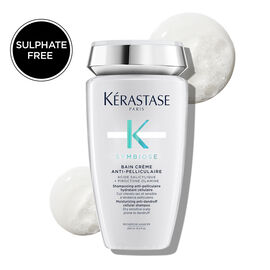
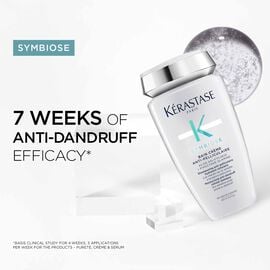
Symbiose Bain Crème Anti-Dandruff Shampoo
A moisturising anti-dandruff shampoo for dry hair and dandruff, formulated for sensitive scalps prone to flaking
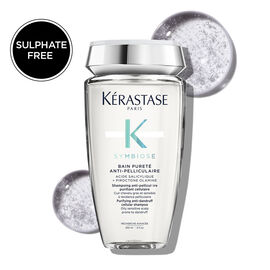
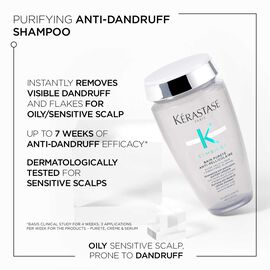
Symbiose Bain Pureté Anti-Dandruff Shampoo
Purifying anti-dandruff cellular shampoo, for oily sensitive scalp prone to dandruff.
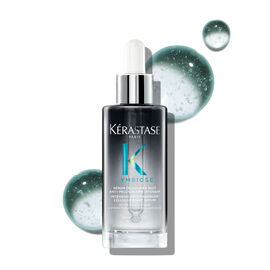

Symbiose Anti-Dandruff Night Scalp Serum
A targeted anti-dandruff hair serum for scalps prone to dandruff.


