


Damaged Hair: Complete Guide To Repair, Split Ends & Heat Damage
Damaged hair can appear dry, rough, dull, frizzy or brittle, with common concerns including breakage, split ends and loss of elasticity. Understanding what damaged hair is, what causes it and how the hair fibre is affected can help you build a more targeted damaged-hair care routine. From repairing weakened fibres to protecting hair from heat and environmental stressors, the right combination of treatments can help improve the strength, smoothness and manageability of damaged hair.
What Is Damaged Hair?
Damaged hair is hair that has experienced deterioration to its cuticle or internal fibre structure, often resulting in dryness, roughness, breakage, split ends and reduced elasticity. Damage can occur gradually when the hair is repeatedly exposed to heat styling, colouring, bleaching, chemical treatments, environmental stressors or rough handling.
The hair fibre consists primarily of keratin and is protected by an outer cuticle layer. When this protective layer becomes compromised, the hair can become more porous, lose moisture more easily and become vulnerable to mechanical stress.
What Are The Causes Of Damaged Hair?
The most common causes of damaged hair include:
1. Heat Styling
Frequent use of blow-dryers, straighteners and curling tools can weaken the hair fibre.
2. Colouring & Bleaching
Chemical processing can alter the hair’s internal structure, reducing strength and elasticity.
3. Chemical Treatments
Straightening, perming and other treatments can make hair more vulnerable to breakage.
4. Hard Water
Calcium and mineral deposits can accumulate on the hair and contribute to roughness and damage.
5. Environmental Exposure
UV rays, pollution, wind and other external stressors can affect the hair fibre over time.
6. Rough Handling
Vigorous towel drying, aggressive brushing and tight hairstyles can create mechanical stress.
7. Lack Of Hydration
Dry, dehydrated hair is generally more susceptible to brittleness, friction and breakage.
How To Treat Damaged Hair?
The best damaged hair treatment combines repair, strengthening, nourishment and protection rather than relying on a single product. Start by identifying the type of damage, then build a damaged hair repair routine around the needs of your hair.
For chemically damaged or over-processed hair, the Kérastase Première range is designed around decalcifying and repairing care. Its formulas address calcium buildup while helping reinforce the hair fibre. The range uses technologies including Glycine and Peptides to support the hair’s internal and surface structure.
For dry or dehydrated damaged hair, the Kérastase Nutritive range provides nourishment and hydration-focused care. Its routine can help replenish dry hair while improving softness and manageability.
Damaged Hair Care Routine
Here’s how to repair damaged hair in five simple steps:
1. Cleanse Gently
Choose a damage repair shampoo suited to your hair’s specific needs. A gentle cleansing formula helps remove buildup without leaving the hair feeling stripped. Massage the scalp gently, rinse thoroughly and avoid washing more frequently than your hair requires.
2. Condition After Cleansing
Always follow shampooing with a conditioner to replenish moisture and improve softness and manageability. Apply it mainly to the mid-lengths and ends, where hair is more prone to dryness and damage. Leave it on as directed before rinsing. Regular conditioning can also make detangling easier and reduce friction.
3. Use A Repairing Mask
Incorporate a nourishing or repairing hair mask into your routine for more concentrated care. Apply it to clean, towel-dried lengths and ends and leave it on according to the product instructions. Regular masking can help replenish nourishment, improve softness and leave damaged hair feeling smoother, stronger and more manageable.
4. Apply Leave-In Protection
Add a leave-in repairing anti-frizz serum to provide additional care after washing and help protect your hair during styling. Apply a small amount through the lengths and ends. Depending on the formula, a hair serum can help smooth the hair surface, tame frizz, improve manageability and protect the fibre from everyday stressors.
5. Limit Further Damage
Preventing further damage is an important part of any damaged hair care routine. Reduce excessive heat styling and always use a heat protectant spray or serum before hot tools. Avoid vigorous towel drying, harsh brushing and tight hairstyles that can create friction or stress. Gentle handling helps protect already weakened hair from additional breakage.
In Summary
The most effective damaged hair repair approach is one that addresses the specific cause of damage while protecting the hair from further stress. Consistency is key: repairing care, nourishment and protection work together to improve the appearance and feel of damaged hair over time.
What Is A Split End?
A split end occurs when the protective cuticle of a hair becomes damaged and begins to fray or divide. Once a hair has physically split, products cannot permanently restore it to its original, undamaged state. Trimming is therefore the only permanent way to remove an existing split end.
However, the right hair care routine can improve the appearance of damaged ends, reduce friction and help prevent new splits.
What Causes Split Ends?
Split ends are commonly associated with:
- Frequent heat styling
- Hair colouring and bleaching
- Chemical treatments
- Lack of moisture
- Rough brushing and towel drying
- Environmental exposure
- Mechanical friction
How To Treat & Prevent Split Ends?
Start with a gentle shampoo and follow with regular conditioning to reduce friction between hair. A weekly hair mask can provide additional nourishment, while a leave-in serum can smooth the surface of the fibre and protect the lengths.
For chemically damaged hair, Kérastase Première offers targeted repair with Glycine and Peptides. The Première Anti-Breakage & Repairing Mask is designed to repair and reinforce damaged hair while helping protect against future breakage.
Regular trims are also important. Removing damaged ends can help maintain a cleaner, healthier-looking appearance while preventing existing splits from travelling further up the hair shaft.
In Summary
Split ends treatment focuses on caring for damaged, frayed ends and preventing further splitting. Regular conditioning, nourishing masks and protective serums can help improve the appearance and feel of split ends. Regular trims combined with targeted hair care can help maintain smoother, healthier-looking lengths.
What Is Heat Damaged Hair?
Heat-damaged hair is hair that has been weakened by repeated or excessive exposure to high temperatures from styling tools such as blow-dryers, straighteners and curling irons. Heat can affect the hair’s protein structure and cuticle, resulting in dryness, roughness, frizz, breakage and loss of natural texture.
Common signs of heat-damaged hair include brittle hair, split ends, excessive frizz, dullness and changes in the natural curl or wave pattern.
What Causes Heat Damage?
Heat damage can become more likely when you:
- Use hot tools frequently
- Select very high temperature settings
- Style hair without heat protection
- Apply direct heat to wet or very damp hair
- Repeatedly style the same sections
- Do not give hair sufficient time to recover between heat-styling sessions
How To Repair Heat-Damaged Hair?
The first step in heat-damaged hair treatment is to reduce further exposure. Allow your hair to air-dry when possible, use lower heat settings and always apply a heat protectant before styling.
For damaged hair exposed to multiple stressors, Kérastase Première provides a repair-focused approach. Its formulas combine decalcifying technology with repairing ingredients such as Glycine and Peptides to address damage associated with calcium buildup and weakened fibre structure.
For styling protection, Kérastase Nutritive leave-in blow-dry primer helps protect dry hair from heat up to 230°C while improving softness and manageability.
In Summary
Heat damaged hair is hair weakened by repeated exposure to high temperatures from blow-dryers, straighteners or curling tools. It may feel dry, brittle and rough and become more prone to breakage. Limiting heat styling, using a heat protectant and incorporating nourishing treatments can help protect the hair fibre and prevent further damage.
Kérastase Solutions For Different Types Of Damaged Hair
|
Hair Concern |
Kérastase Line |
Recommended Care |
|---|---|---|
|
Chemically damaged or over-processed hair |
Première |
Decalcifying & Repairing Shampoo, Anti-Breakage & Repairing Mask, Anti-Frizz Filler Serum |
|
Dry, dehydrated, damaged hair |
Nutritive |
Nourishing Shampoo, Nourishing Mask, 8H Magic Night Serum |
|
Heat-styled dry hair |
Nutritive |
Blow Dry Primer for heat protection |
|
Rough, frizzy, damaged lengths, split ends |
Première |
Repairing mask and protective leave-in care |
Treating damaged hair starts with small, consistent changes. Identify what is causing the damage, switch to gentle cleansing, condition after every wash, and use a repairing or nourishing mask regularly. Always protect your hair before heat styling and use a leave-in serum on the lengths and ends. Choose targeted care from Kérastase hair care products and maintain healthier-looking lengths with ease. Head to the Hair Quiz to understand what works best for your hair type and needs.
FAQs
Products You May Like


Première Decalcifying & Repairing Pre-Shampoo Concentrate Mini
A dual-action decalcifying and repairing pre-shampoo treatment for damaged hair. The Concentré Décalcifiant Ultra-réparateur removes calcium and reinforces hair strength, leaving it stronger, smoother, and shinier.
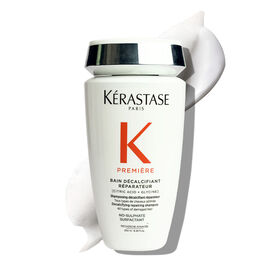
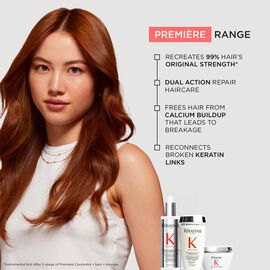
Première Decalcifying & Repairing Shampoo
A rich, dual-action hair damage repair shampoo that removes calcium and repairs all types of damaged hair.
.jpg?sw=270&sfrm=jpg&q=80)
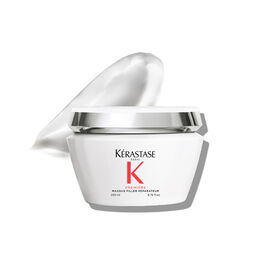
Première Anti-Breakage & Repairing Mask
A targeted anti-breakage hair mask for hair prone to breakage and damage.
.jpg?sw=270&sfrm=jpg&q=80)
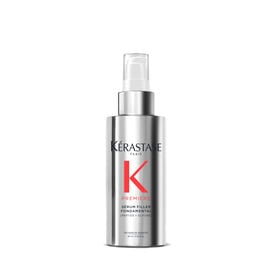
Première Anti-Frizz Filler Serum
A leave-in repairing anti-frizz hair serum for damaged hair. It works to seal and fill hair, and protect it from the heat of styling tools, leaving hair shiny and strong.


