


How To Treat Damaged Hair: A Routine To Fix & Restore Hair Health
Dealing with dry, brittle, or over-processed hair can be frustrating. If you’re wondering how to fix damaged hair or how to treat damaged hair, the answer lies in a structured routine that restores strength, hydration, and resilience. Damage can occur due to heat styling, chemical treatments, pollution, or even poor haircare habits.
Fortunately, with the right damaged hair treatment routine and consistent care, you can gradually repair damaged hair and bring back softness, shine, and elasticity. This guide breaks down the most effective ways to understand how to repair damaged hair and build a routine that supports long-term hair recovery.
What Causes Damaged Hair?
Before exploring how to restore damaged hair, it’s important to understand the causes of damage. Common triggers include:
- Frequent heat styling.
- Chemical treatments such as colouring or straightening.
- Environmental stress, such as UV exposure and pollution.
- Overwashing or harsh shampoos.
- Lack of conditioning and hydration.
Damage typically occurs when the hair cuticle, the outer protective layer, becomes lifted or broken. When this happens, hair loses moisture and becomes rough, fragile, and prone to breakage.
How To Treat Damaged Hair: A Repair Routine
Instead of relying on quick fixes, repairing hair requires a routine that supports both scalp and hair fibre health.
Step 1: Cleanse With A Repairing Shampoo
The first step in any damaged hair treatment routine is cleansing with a gentle shampoo designed for damaged hair. Look for formulas that:
- Strengthen the hair fibre
- Restore moisture balance
- Protect the cuticle layer
Using a hair repair damage shampoo removes buildup without stripping essential oils, creating the right foundation for deeper treatments.
Step 2: Condition To Restore Moisture
Conditioning helps smooth the hair cuticle and restore hydration lost through damage. A good conditioner will:
- Reduce tangling and breakage
- Improve softness and manageability
- Seal moisture inside the hair fibre
Consistent conditioning is essential when learning how to fix damaged hair, as it helps reinforce the protective barrier of the hair.
Step 3: Use A Weekly Repair Hair Mask
Deep treatments are one of the most effective ways to repair damaged hair. A repairing hair mask penetrates deeper than a regular conditioner and helps rebuild the internal structure of the hair. Use a mask:
- Once a week for moderate damage
- Twice weekly for severely damaged hair
These treatments restore elasticity and strengthen hair fibres, which helps reduce breakage.
Step 4: Apply Leave-In Protection
Leave-in treatments help protect hair throughout the day. These formulas can:
- Strengthen fragile hair
- Protect against heat styling
- Reduce frizz and dryness
Applying a leave-in product after washing helps maintain the results of your damaged hair treatment routine.
Step 5: Protect Hair From Heat Damage
Heat styling is one of the biggest causes of damage. When using tools like straighteners or curling irons, always apply a heat-protecting hair serum for damaged hair beforehand. Heat protection helps:
- Maintain moisture levels
- Prevent cuticle damage
- Reduce breakage caused by high temperatures
Reducing heat frequency is also essential when learning how to restore damaged hair.
In Summary
Treating damaged hair requires a consistent routine focused on gentle cleansing, deep conditioning, and protective styling. Using repairing shampoos, nourishing masks, and leave-in treatments helps strengthen the hair fibre, restore moisture, and gradually improve hair texture and resilience.
Emerging Treatments For Damaged Hair
Modern haircare technologies represent a new generation of damaged hair treatment solutions designed to strengthen hair at the molecular level. Many people who follow a structured repair routine notice improvements within weeks. Common results include:
- Reduced breakage
- Improved softness
- Increased shine
- Better manageability
While severe damage may take longer to fully recover, consistent care can gradually repair damaged hair and improve overall hair quality.
In Summary
These innovations focus on rebuilding internal hair bonds and strengthening the fibre structure. One example is advanced repair systems designed to remove mineral buildup and restore weakened hair fibres. Kérastase’s Première range focuses on decalcifying and repairing hair affected by damage from water, minerals and chemical treatments.
Learning how to fix damaged hair is about consistency, patience, and using the right repair-focused products. By following a structured routine, cleansing gently, conditioning regularly, deep treating weekly, and protecting hair during styling, you can gradually restore strength and resilience.
Over time, these steps help repair damaged hair, improve texture, and bring back the healthy shine that damaged hair often lose. Whether you're looking to deepen your conditioning routine or switch to gentler products, Kérastase hair care products are designed to revitalise, strengthen, and protect your hair. You can also head to the Hair Quiz tool to understand what works the best for your hair and revive it with softness, shine and resilience.
Frequently Asked Questions
Products You May Like


Première Decalcifying & Repairing Pre-Shampoo Concentrate Mini
A dual-action decalcifying and repairing pre-shampoo treatment for damaged hair. The Concentré Décalcifiant Ultra-réparateur removes calcium and reinforces hair strength, leaving it stronger, smoother, and shinier.
.jpg?sw=270&sfrm=jpg&q=80)
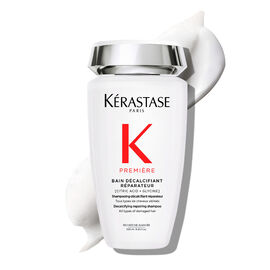
Première Decalcifying & Repairing Shampoo
A rich, dual action hair damage repair shampoo that works inside and out to remove calcium and repair all types of damaged hair.
.jpg?sw=270&sfrm=jpg&q=80)
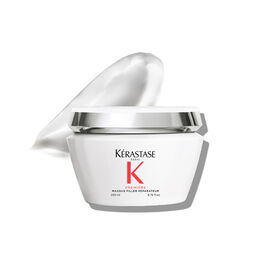
Première Anti-Breakage & Repairing Mask
An anti-breakage & repairing hair mask for damaged hair that repairs & restores strength for all types of hair damage
.jpg?sw=270&sfrm=jpg&q=80)
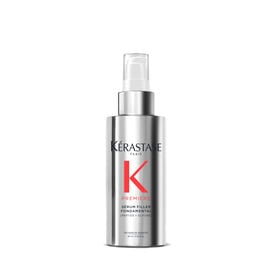
Première Anti-Frizz Filler Serum
A leave-in repairing anti-frizz hair serum for damaged hair. The Sérum Filler Fondamental works to seal and fill hair strands, and protect them from the heat of styling tools, leaving hair shiny and strong.


