


Damaged Hair: How Hard Water Secretly Endangers Your Hair
When it comes to damaged hair, few factors are as overlooked yet impactful as hard water. The calcium and mineral content in hard water can gradually weaken hair, leaving it stiff, dull, and prone to breakage. Understanding how hard water affects hair is essential for anyone aiming to maintain smooth, resilient, and vibrant hair.
The key to protecting your hair lies in hard water hair treatment and hair and scalp decalcification. In this guide, we explore why hard water can be so damaging and share practical tips on how to protect hair from hard water to restore its natural beauty and strength.
What is Hard Water?
Hard water is water that contains high levels of dissolved minerals, primarily calcium and magnesium. These minerals are naturally present in the ground and can seep into water sources as it travels through soil and rock formations. While these minerals are not harmful to human health, they can wreak havoc on hair and skin over time.
Why Hard Water Can Damage Your Hair
Water is vital for life, but hard water can harm your hair. Hard water is rich in minerals, especially calcium and magnesium. While these minerals are good for bones and teeth, calcium can wreak havoc on hair. Repeated exposure leads to mineral buildup, which can weaken hair fibre and increase susceptibility to breakage.
The impact of hard water affecting hair often goes unnoticed initially, but gradually shows up as stiffness, dullness, and a compromised hair structure.
Types of Hair Damage by Hard Water
Hard water can impact different types of damaged hair in unique ways:
- Dry Hair: Mineral buildup strips moisture, making hair brittle and rough.
- Colour-Treated Hair: Calcium deposits can fade colour and cause uneven texture.
- Fine or Fragile Hair: Weak hair structure becomes more prone to breakage.
- Thick or Curly Hair: Mineral deposits weigh hair down, making it stiff and difficult to style.
Understanding your hair type is the first step to selecting the right hard water hair treatment.
How Hard Water Affects Hair
- Stiffness: Calcium binds with hair proteins, making hair feel coarse and rigid. This stiffness makes styling and brushing more difficult, resulting in increased breakage.
- Dullness: Calcium deposits can coat the hair shaft, preventing moisture from penetrating and leaving hair looking lifeless and lacking shine.
- Weakened Structure: Repeated exposure to hard water can compromise the protein structure of your hair, making it fragile. Hair that is already porous or damaged becomes even more vulnerable to breakage.
How to Decalcify Your Hair and Protect It
To combat the effects of hard water, hair decalcification is crucial. This process removes calcium buildup and helps restore hair’s natural softness, shine, and manageability. A hard water hair treatment routine is essential for anyone experiencing stiffness, dryness, or breakage due to hard water.
1. Use Hard Water-Specific Shampoos and Conditioners
Specialised shampoo for damaged hair and conditioners designed for decalcification can dissolve and remove excess minerals. Regular use prevents further hard water hair damage while nourishing and strengthening hair.
2. Incorporate Deep Conditioning Treatments
A Hair mask for damaged hair enriched with amino acids, lipids, and hydrating ingredients can replenish moisture and counteract the drying effects of hard water. This hard water hair treatment step is crucial for restoring suppleness and softness.
3. Limit Shampooing with Hard Water
Frequent washing increases exposure to hard water. Extending the time between washes and using dry shampoos, such as Kérastase Fresh Affair Dry Shampoo, can help reduce mineral buildup and protect hair.
4. Install a Water Softener
For a long-term solution, consider installing a water softener at home. Softened water is gentler on the hair and scalp, helping prevent hard water buildup on the scalp while maintaining hair health.
5. Pair Hair Care with Nutritional Support
A balanced diet rich in vitamins, minerals, and protein can strengthen hair from within, making it less prone to hard water hair damage.
How to Protect Hair from Hard Water Daily
- Rinse with Filtered or Bottled Water: If softening your home water isn’t an option, rinse hair with filtered water after washing to reduce mineral buildup.
- Use Leave-In Treatments: Hair serum for damaged hair or leave-in conditioners act as a barrier, shielding hair from mineral deposits.
- Regularly Decalcify: Schedule a hard water hair treatment every few weeks to remove buildup and restore shine.
By following these steps, you can maintain soft, manageable hair and prevent long-term damage from hard water.
Conclusion
By understanding how hard water affects your hair and embracing a targeted care routine, you can significantly minimise mineral-induced damage. Incorporating the right products for damaged hair, including restorative shampoos, nourishing conditioners, weekly repair masks, and protective serums, helps reinforce the hair fibre and restore softness and resilience.
When you prioritise consistent hard water hair treatment and follow expert-backed methods on how to repair damaged hair, you give your hair the chance to recover, strengthen, and regain its natural radiance, no matter how hard the water in your area may be.
Frequently Asked Questions
Products You May Like


Première Decalcifying & Repairing Pre-Shampoo Concentrate Mini
A dual-action decalcifying and repairing pre-shampoo treatment for damaged hair. The Concentré Décalcifiant Ultra-réparateur removes calcium and reinforces hair strength, leaving it stronger, smoother, and shinier.
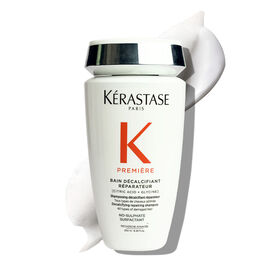
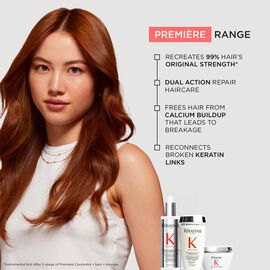
Première Decalcifying & Repairing Shampoo
A rich, dual-action hair damage repair shampoo that removes calcium and repairs all types of damaged hair.
.jpg?sw=270&sfrm=jpg&q=80)
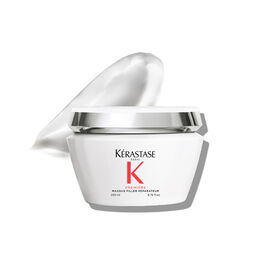
Première Anti-Breakage & Repairing Mask
A targeted anti-breakage hair mask for hair prone to breakage and damage.
.jpg?sw=270&sfrm=jpg&q=80)
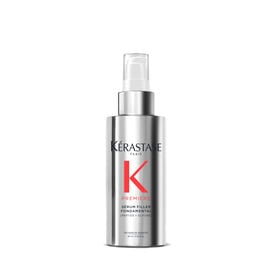
Première Anti-Frizz Filler Serum
A leave-in repairing anti-frizz hair serum for damaged hair. It works to seal and fill hair, and protect it from the heat of styling tools, leaving hair shiny and strong.


