


Hair Fall Guide: Causes, Treatments & The Best Solutions For Stronger Hair
Hair fall is one of the most common hair concerns today, affecting people across all ages and hair types. While some shedding is natural, excessive hair fall can be a sign of underlying issues such as stress, scalp imbalance, or damage.
If you’ve been wondering how much hair fall is normal, or searching for the right hair fall treatment, this guide answers the most important questions and helps you build a routine that actually works.
What Is Hair Fall?
Hair fall is a natural part of the hair growth cycle. A healthy scalp sheds about 50-100 hairs daily, which is completely normal. Certain life events, seasonal changes, or even hormonal shifts can temporarily increase this number.
However, when the shedding becomes excessive, it may turn into a noticeable hair fall problem. Clumps appearing during washing, increased visibility of the scalp, or rapid reduction in overall hair volume may indicate that the concern requires attention.
Women who experience postpartum shedding, seasonal variations, or stress-related changes may notice temporary fluctuations, while others may deal with persistent or extreme hair fall that demands targeted action.
What Causes Hair Fall?
One might observe that hair fall intensifies during specific periods of life. The following factors are frequently identified as primary causes of hair fall:
1. Biological & Hormonal Fluctuations
Significant life events, such as postpartum recovery or menopause, can alter the hair growth cycle, leading to a temporary increase in shedding.
2. Environmental Aggressors
Exposure to pollutants, ultraviolet radiation, and hard water can weaken the protective cuticle of the hair, making it more susceptible to damage.
3. Lifestyle and Emotional Stress
High levels of cortisol, often referred to as the stress hormone, can push hair follicles into a resting phase prematurely.
4. Mechanical & Thermal Stress
The frequent use of high-temperature styling tools and tight hairstyles can compromise the structural integrity of the hair fibre.
5. Nutritional Imbalances
A diet lacking in essential vitamins, minerals, and proteins may deprive the hair follicle of the nutrients required for robust growth.
In Summary
Understanding what causes hair fall is the first step toward finding the right solution. Hair fall rarely has a single cause; it’s usually triggered by a mix of internal and external factors. If you’re asking how much hair fall is normal, losing 50-100 strands daily is considered normal. Anything beyond this may require targeted care.
Which Treatment Is Best For Hair Fall?
The best treatment for hair fall depends on the cause, whether it’s breakage, scalp imbalance, or nutritional deficiency. For most people, an effective hair fall treatment routine includes:
- Strengthening shampoos that reduce breakage
- Nourishing conditioners and hair masks
- Targeted scalp or hair serums
- Heat protection and gentle styling habits
In Summary
A combination approach works best because hair fall is rarely caused by a single factor. Treatments that strengthen the hair fibre and support scalp health tend to deliver the most visible results.
Hair Fall Treatment Routine
An effective hair care routine for hair fall includes:
-
Step 1: Cleansing
Use an anti-hair fall shampoo to remove buildup while protecting the hair fibre.
-
Step 2: Conditioning
Apply hair fall conditioner or anti-hair fall mask to help nourish and reduce breakage.
-
Step 3: Targeted Serum
A hair growth serum is designed to work directly on the scalp to strengthen roots and reduce hair fall caused by breakage. Wondering which is the best hair growth serum? A good anti-hair fall serum:
1. Supports scalp health.
2. Strengthens hair at the root.
3. Reduces visible hair fall.
4. Improves hair density over timeRegular use is key to seeing results.
-
Step 4: Protection
Finish with heat protectants and gentle styling products to help prevent further damage.
In Summary
Hair fall is a complex concern, but with the right understanding and routine, it can be managed effectively. Knowing what causes hair fall, choosing the right products, and following a consistent hair fall treatment routine are key to improving hair strength and reducing breakage.
Regular use of the right products is essential for visible results. If you’re unsure where to start from, head to the Kérastase Hair Quiz tool and find your best-suited products with ease. Once confident, focus on building a simple routine with Kérastase strengthening products and targeted treatments. Over time, this approach can help restore healthier, fuller-looking hair.
Frequently Asked Questions
Products You May Like

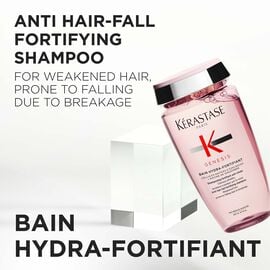
Genesis Hydra Anti-hair Fall Shampoo
Anti-Hair loss, fortifying shampoo for normal to oily, weakened hair. Also available in a shampoo refill pack!

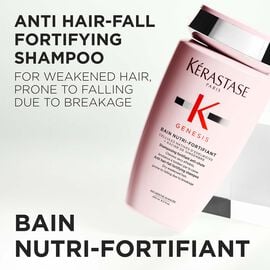
Genesis Nutri Anti-hair Fall Shampoo
For normal to dry, weakened hair that is prone to falling due to breakage.

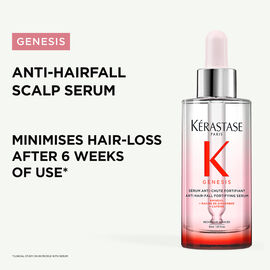
Genesis Anti-Hair Fall Scalp Serum
For normal to dry, weakened hair that is prone to falling due to breakage.

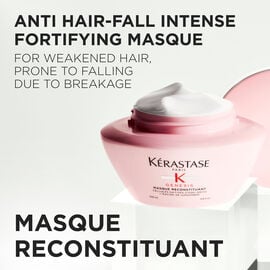
Genesis Reconstituant Hair Mask
For normal to dry, weakened hair that is prone to falling due to breakage.

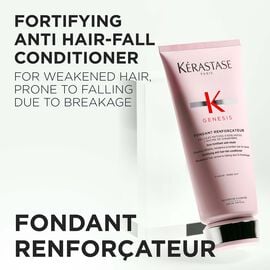
Genesis Renforçateur Conditioner
Anti hair-fall sulphate-free, silicone-free conditioner for weakened hair

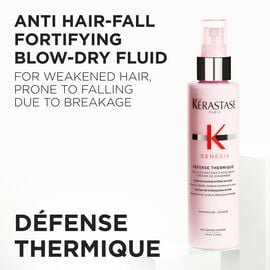
Genesis Défense Blow Dry Primer
Anti-hair fall blow-dry primer, with heat protection


