


Last Updated Date:- 3 June 2026
What Causes Hair Fall? Understanding Hair Fall Reasons, Treatments & Solutions
Hair fall can result from a combination of factors, including stress, hormonal changes, nutritional deficiencies, genetics, scalp conditions, and hair damage. While losing some hair daily is normal, excessive shedding or visible thinning may indicate an underlying issue that requires targeted care and a consistent hair fall treatment routine.
Understanding the causes of hair fall is the first step toward choosing the right hair growth treatment and maintaining healthier, stronger-looking hair over time.
Signs That You’re Experiencing Hair Fall
Before understanding why hair fall happens, it’s important to recognise the signs early. Losing 50-100 hairs per day is considered normal, but excessive shedding may signal an underlying concern. Common signs include:
- Visible thinning or widening of the hair part
- Excess hair on pillows, combs, or shower drains
- Weak or brittle hair that breaks easily
- Reduced hair volume over time
- Slower hair growth
Recognising these symptoms early allows you to build a more effective hair care routine for fall hair before hair thinning becomes more noticeable.
What Causes Hair Fall?
Hair fall reasons can vary from temporary lifestyle triggers to long-term hereditary conditions. In many cases, multiple factors contribute to why hair fall happens.
1. Hormonal Changes
Hormonal fluctuations caused by pregnancy, menopause, thyroid imbalance, or stress can disrupt the hair growth cycle and increase shedding.
2. Nutritional Deficiencies
A lack of protein, iron, zinc, and essential vitamins may weaken the hair fibre and contribute to excessive shedding. Poor nutrition is one of the major reasons for hair fall in both men and women.
3. Stress & Lifestyle Factors
Emotional stress, irregular sleep, and unhealthy lifestyle habits can push more hair into the shedding phase, commonly known as telogen effluvium.
4. Heat Styling & Hair Damage
Excessive heat styling, colouring, and chemical treatments can weaken the hair fibre and contribute to breakage-related hair fall.
5. Genetics & Family History
Genetics remain one of the main reasons for hair fall, especially in pattern hair loss conditions affecting hair density over time.
6. Scalp Conditions
Dandruff, excess oil buildup, or scalp irritation can weaken the scalp environment and contribute to increased hair shedding.
In Summary
Why hair fall happens is almost always multi-layered, and addressing only one factor rarely delivers lasting results. Understanding what causes hair fall helps you choose more targeted hair fall solutions and build a routine that supports healthier, stronger-looking hair over time.
What Is Hair Fall Treatment?
Hair fall treatment is a sustained ritual, not a one-time fix. The goal is to reinforce the scalp, strengthen the root, and reduce breakage at the fibre level. What an effective hair fall treatment looks like:
- Fortifying Shampoo: Sulphate-free formulas that cleanse without stripping the scalp's natural balance.
- Targeted Serum: Applied directly to the scalp, hair serums with Aminexil anchor the hair root more securely, reducing fall due to fragility.
- Nourishing Masks or Conditioners: Detangle without mechanical stress; reduce breakage that mimics hair loss.
- Protective Styling Habits: Habits like avoiding tight hairstyles, reducing excessive heat use, and using heat protectants can help minimise breakage and support healthier-looking hair over time.
- Consistency: A minimum of 8-12 weeks of regular use before evaluating results; follicles work on long timelines.
In Summary
The Kérastase Genesis range, built around Aminexil and edelweiss native cells, is formulated specifically for hair weakened by fragility. It works at the root to reduce the hair fall causes that come from within the fibre and scalp.
What Is Hair Growth Treatment?
Hair growth treatment focuses on creating a healthier scalp environment and supporting the natural hair growth cycle over time. These treatments often target:
- Scalp balance
- Hair fibre strength
- Reduced breakage
- Root reinforcement
Ingredients such as Aminexil, ginger root, and botanical actives are commonly used in professional hair growth treatment formulas.
Scalp serums like the Genesis anti-hair fall serum are often incorporated into routines focused on improving overall scalp health and strengthening the hair fibre.
What’s The Most Effective Treatment For Hair Fall?
The most effective treatment for hair fall depends on the underlying cause. Since hair fall causes differ from person to person, a targeted and consistent routine generally delivers the best long-term results.
For example:
- Breakage-related hair fall - strengthening routines
- Stress-related shedding - scalp-focused care & healthy habits
- Dry, damaged hair - repair and hydration-focused products
- Scalp imbalance - balancing scalp treatments
The most effective approach usually combines:
- Gentle cleansing
- Scalp care
- Strengthening hair treatments
- Reduced heat styling
- Consistent maintenance habits
Comparison Table: Hair Fall Treatment Approaches
Treatment Type |
Main Purpose |
Best For |
|---|---|---|
Strengthening Shampoo |
Cleanse & reduce breakage |
Weak, fragile hair |
Hair Mask/Conditioner |
Improve softness & resilience |
Dry or damaged hair |
Scalp Serum |
Support scalp health |
Excessive shedding |
Professional Treatments |
Intensive scalp support |
Persistent concerns |
Some of the major reasons for hair fall in India are hard water, nutritional deficiencies, stress, and pollution, which is why relying on a single product is often not enough. The most effective protocol layers all three:
- Daily: Fortifying shampoo + scalp serum
- Weekly: Nourishing anti-hair fall mask to prevent fibre breakage
- Monthly: In-salon professional treatment for a reset
Kérastase Genesis and Densifique, used together or as advised by a Kérastase-trained stylist, address hair fall causes at every level, scalp, root, and fibre.
Prevention & Care Tips
While some causes of hair fall may be unavoidable, healthy habits can help minimise excessive shedding.
Use Gentle Haircare Products
Choose nourishing shampoos that cleanse without stripping moisture.
Incorporate A Scalp Serum
Scalp serums help support the scalp environment and strengthen hair at the root level.
Reduce Excessive Heat Styling
Heat damage weakens the hair fibre and increases breakage.
Eat A Balanced Diet
Protein, iron, and vitamins support healthier hair growth from within.
Manage Stress
Stress management techniques can help reduce temporary shedding caused by lifestyle factors.
Whether you're catching it early or rebuilding from a significant loss, the right ritual makes a measurable difference. So, browse through a wide range of Kérastase hair care products and add them to your regular hair care regimen to improve overall hair resilience and reduce visible signs of hair fall. You can head to the Hair Quiz to understand what works best for your hair type.
Frequently Asked Questions
Products You May Like

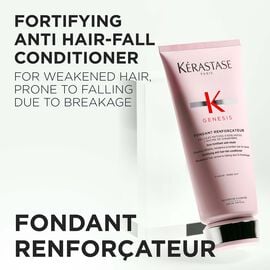
Genesis Renforçateur Conditioner
Anti hair-fall sulphate-free, silicone-free conditioner for weakened hair

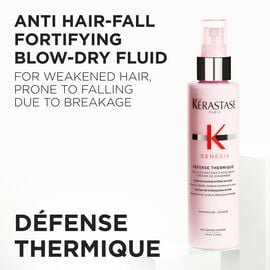
Genesis Défense Blow Dry Primer
Anti-hair fall blow-dry primer, with heat protection

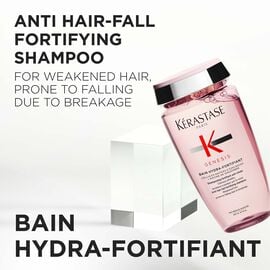
Genesis Hydra Anti-hair Fall Shampoo
Anti-Hair loss, fortifying shampoo for normal to oily, weakened hair. Also available in a shampoo refill pack!

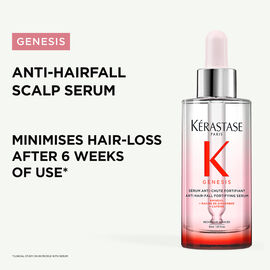
Genesis Anti-Hair Fall Scalp Serum
For normal to dry, weakened hair that is prone to falling due to breakage.

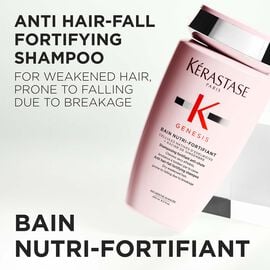
Genesis Nutri Anti-hair Fall Shampoo
For normal to dry, weakened hair that is prone to falling due to breakage.

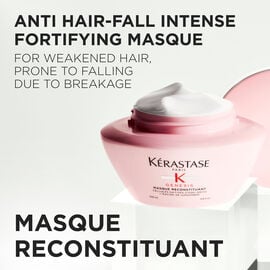
Genesis Reconstituant Hair Mask
For normal to dry, weakened hair that is prone to falling due to breakage.


