


Curly Hair 101: What Makes It Different
Curly hair is beautiful, expressive, and full of personality, but it also comes with unique challenges. From dryness and frizz to unpredictable curl patterns, caring for curls requires more attention than caring for straight hair. Understanding what makes hair curly, how different curl types behave, and how to build the right curly hair care routine can transform your hair from unruly to radiant.
Unlike straight hair, curly hair bends and twists along the shaft, making it harder for natural oils to travel from the scalp to the ends. This is why curls are naturally drier and more prone to breakage. Whether you have waves, curls, or coils, learning how to style curly hair and maintain moisture is key to healthy-looking hair. Read ahead to know more about curly hair care.
What Makes Hair Curly?
Hair becomes curly due to the shape of the hair follicle and the structure of the hair shaft. Oval or asymmetrical follicles create bends in the hair, resulting in curls or coils. Genetics plays the most significant role, but factors such as humidity, heat styling, and chemical treatments can also influence how curls behave.
This structure also explains why curly hair and wavy hair often need different care than straight hair, because the twists and turns weaken the cuticle and make moisture retention more difficult.
Why Curly Hair Needs Extra Care?
1. Natural Dryness
Curly hair struggles to retain moisture because oils don’t travel easily down the hair. This makes hydration the top priority in any routine.
2. Risk Of Damage
Curly hair can be more susceptible to damage, including breakage and split ends. The structure of each curl makes it more delicate, and improper care or use of harsh products can lead to these issues.
3. Unique Curl Patterns
Not all curls are created equal. Curly hair comes in various types, from loose waves to tight coils, each with distinct needs. Understanding your specific curl pattern is fundamental in providing the right care. What works for one type of curl may not be suitable for another, making customisation a key aspect.
4. Frizz Sensitivity
High humidity, rough handling, and lack of moisture can all contribute to frizzy hair. To control frizz, it's important to have a curly hair care routine that includes anti-frizz products, gentle drying techniques, and regular conditioning.
5. Heat Styling
Many styling practices, such as heat styling or chemical treatments, can be harsh on curly hair. Excessive use of heated tools can strip moisture and damage your curls further.
6. Unpredictable Curl Behaviour
Curly hair can often behave unpredictably. Factors like weather, humidity, and product choice can influence how your curls look and hold. This unpredictability calls for patience and experimentation to discover what works best for your unique curl pattern.
7. Product Dependency
Choosing the right curly hair products makes a visible difference in definition, softness, and manageability.
In Summary
Curly hair is more vulnerable to dryness, breakage, and frizz because natural oils do not distribute evenly along the hair. Extra care helps maintain moisture balance, protect curl structure, and improve overall hair health.
The Different Types Of Curly Hair
Not all curls are the same. Understanding the types of curly hair helps you choose the right routine and products. Curl patterns are commonly classified as:
- Type 2 (Wavy): Loose, S-shaped waves
- Type 3 (Curly): Defined ringlets and spirals
- Type 4 (Coily/Kinky): Tight curls or zig-zag patterns
In Summary
Curly hair varies from loose waves to tight coils, and each curl type has distinct moisture and styling needs. Learning your curl pattern is the foundation of effective curly hair care.
Caring For Different Curl Types
Type 2: Wavy Hair
Waves need lightweight hydration and volume-friendly care.
- Cleanse gently
- Use light conditioners
- Style with a soft curl cream to enhance natural movement
Type 3: Curly Hair
Defined curls require moisture and structure.
- Use richer conditioners
- Add weekly nourishment with a hair mask for curly hair
- Define curls with curly hair gel
Type 4: Coily Hair
Coils need intense hydration and protection.
- Wash less frequently
- Deep condition often
- Style with heavier creams and oils to lock in moisture
In Summary
Each curl pattern requires a tailored approach to cleansing, conditioning, and styling. When care is customised to your specific curl type, curls become more defined, manageable, and resilient. If you’re unsure which products or steps suit your hair best, taking the Kérastase Hair Test can help decode your curl type, scalp needs, and styling habits.
How To Wash Curly Hair The Right Way
Knowing how to wash curly hair properly sets the foundation for healthy curls.
Use a gentle, moisturising, sulphate-free cleanser instead of harsh shampoos.
- Step 1: Focus the shampoo for curly hair on the scalp, not the lengths
- Step 2: Wash 2-3 times a week to prevent dryness
- Step 3: Always follow with conditioner or a mask
In Summary
Curly hair undoubtedly demands more care, but the effort is worth it. With consistent care and the right approach, curly hair can become your strongest feature rather than your biggest challenge.
When nurtured with the right routine, curls shine with definition, bounce, and natural beauty. Understanding what makes hair curly, recognising the types of curly hair, choosing the best shampoo for curly hair, and learning how to wash and style curly hair correctly make caring for curls easier and more rewarding. So, without any further ado, browse through a wide range of curly hair care products from our Curl Manifesto range to flaunt the curls of your dreams.
Frequently Asked Questions
Products You May Like
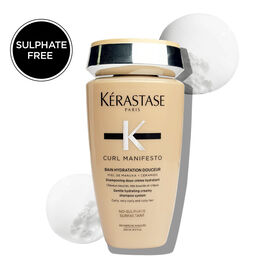
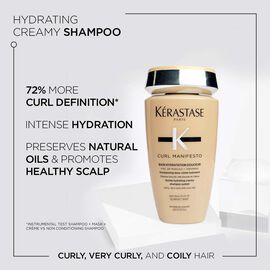
Curl Manifesto Bain Hydratation Douceur Shampoo (Sulphate-Free)
Gentle, hydrating creamy shampoo for curly, very curly and coily hair.
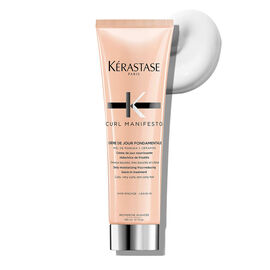
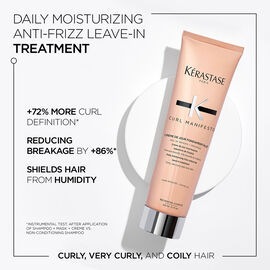
Curl Manifesto Crème De Jour Fondamentale Leave-in Cream
Daily moisturising, frizz-reducing leave-in cream treatment for wavy, curly hair.
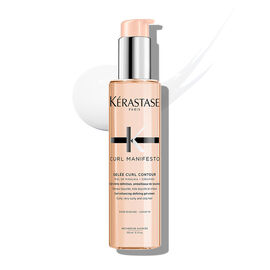
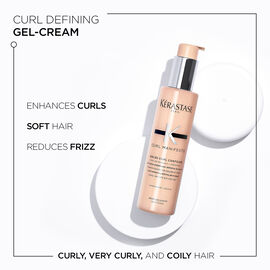
Curl Manifesto Gelée Curl Contour Gel-Cream
Curl enhancing, styling gel for curly hair.
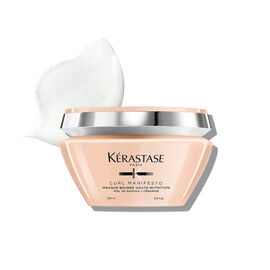
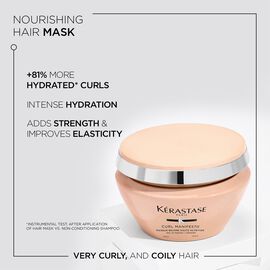
Curl Manifesto Masque Beurre Haute Nutrition Mask
Extra-rich nourishing curly hair mask for wavy, curly hair.


