


Thinning Hair Explained: Reasons, Prevention & Best Treatments On How To Avoid Hair Thinning
Thinning hair is one of the most common hair concerns today, and also one of the most misunderstood. Many people confuse hair thinning with hair fall, but the two aren’t the same. While hair fall refers to the shedding of hair, thinning hair is characterised by a gradual loss of density, volume, and fullness over time. If your ponytail feels slimmer, your scalp is more visible, or your hair lacks body, you’re likely dealing with thinning.
The good news? Once you understand the reasons for thinning hair, you can follow the right steps on how to avoid hair thinning, slow it down, manage it effectively, and even improve how full your hair looks and feels.
What Is Hair Thinning?
Hair thinning happens when individual hair becomes finer, fewer hairs grow back during the hair cycle, or both. This leads to reduced volume and density, particularly around the crown, temples, or parting area. Unlike sudden hair loss, thinning is usually gradual, which is why many people notice it only after a significant change has already occurred.
Reasons For Thinning Hair
Understanding the hair thinning causes is essential before choosing a hair treatment. Thinning rarely has just one trigger; it’s usually a combination of factors.
1. Genetics
One of the most common reasons for thinning hair is genetics. If thinning hair runs in your family, you may be more prone to gradual density loss over time.
2. Hormonal Changes
Hormonal shifts due to stress, pregnancy, postpartum changes, menopause, thyroid imbalance, or PCOS can disrupt the hair growth cycle, leading to thinner regrowth.
3. Nutritional Deficiencies
Lack of protein, iron, zinc, or vitamins like B12 and D can weaken hair at the root, contributing to thinning over time.
4. Stress & Lifestyle
Chronic stress can push more hair into the shedding phase, resulting in visible thinning. Poor sleep, smoking, and crash dieting worsen the issue.
5. Scalp Health Issues
Excess oil, dandruff, buildup, or inflammation can clog follicles and prevent healthy regrowth, an often overlooked hair thinning cause.
6. Overstyling & Damage
Heat styling, chemical treatments, tight hairstyles, and aggressive brushing weaken the hair fibre, making hair thinner and more breakage-prone.
How To Avoid Hair Thinning Early On
If you’re wondering how to avoid hair thinning, prevention starts with daily habits and the right routine.
- Be gentle while brushing and styling
- Avoid tight hairstyles that pull at the roots
- Reduce excessive heat styling
- Eat a balanced, protein-rich diet
- Manage stress with regular exercise or mindfulness
- Maintain a clean, healthy scalp
Small, consistent changes go a long way in slowing down thinning.
Best Hair Care Routine For Thinning Hair
1. Choose the Right Cleanser
Using a targeted shampoo for thin hair helps cleanse the scalp without weighing hair down. Lightweight, strengthening formulas can improve hair texture and create the appearance of fuller hair.
2. Add A Conditioning Step (Without Weight)
Conditioning is crucial, even for thinning hair. Focus on mid-lengths and ends only. Lightweight conditioners help improve manageability and reduce breakage.
3. Use A Weekly Treatment
A nourishing hair mask for thin hair strengthens weakened fibres, improves elasticity, and helps hair feel thicker over time. Use it once or twice a week, depending on dryness and damage.
4. Scalp Care Is Non-Negotiable
Healthy hair starts at the scalp. Regular scalp exfoliation and treatments improve circulation and support stronger regrowth, key steps in any hair treatment for thinning hair.
Effective Hair Thinning Remedies
If you’re actively looking for hair thinning remedies, focus on treatments that support both scalp and fibre health.
- Scalp oils and serums that stimulate follicles and strengthen roots
- Leave-in treatments that reduce breakage and improve density
- Protein-based care to reinforce fragile hair
- Volumising styling products that lift roots without buildup
Consistency matters more than quick fixes. Most treatments show visible improvement only after several weeks of regular use.
Styling Tips To Make Thinning Hair Look Fuller
While treating thinning hair takes time, the right styling techniques can instantly boost volume:
- Blow-dry with your head flipped upside down
- Switch to a side part for instant lift
- Use lightweight root-lifting sprays
- Avoid heavy oils near the scalp
- Trim hair regularly to prevent thin, wispy ends
These tips complement your routine and enhance the effect of products for thinning hair.
When To Seek Professional Help?
If thinning progresses rapidly, appears in patches, or doesn’t improve despite consistent care, consult a dermatologist or trichologist. Medical causes like hormonal imbalance or scalp conditions may require professional treatment alongside cosmetic care.
Thinning hair can feel overwhelming, but it doesn’t have to be permanent or irreversible. With the right understanding of hair thinning causes, a consistent routine, and targeted treatments, you can slow down thinning and improve hair density over time. From choosing the right shampoo for thin hair to adding a strengthening hair mask for thin hair, every step matters.
In the long run, advanced haircare ranges designed specifically for density and fullness, such as the Kérastase Densifique range, can be a great addition to a well-rounded routine focused on restoring body, strength, and healthier-looking hair. Not sure where to start from? Head to our Hair Quiz to discover the perfect routine tailored just for you in minutes. Now that you know everything about how to avoid hair thinning, get your hands on the Densifique range and achieve the healthy, fuller hair of your dreams effortlessly!
Frequently Asked Questions
Products You May Like
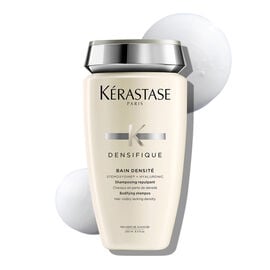
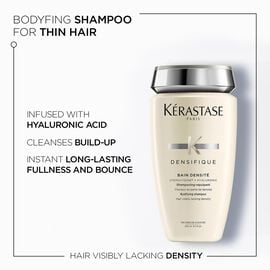
Densifique Bain Densité Shampoo
Thickening shampoo for thinning hair.
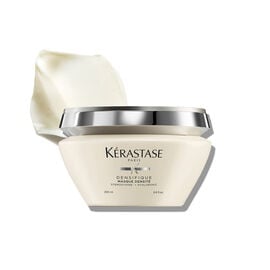
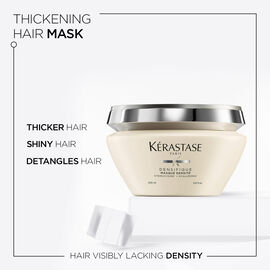
Densifique Masque Densité Mask
Thickening hair mask for thinning hair.
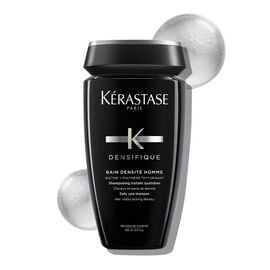
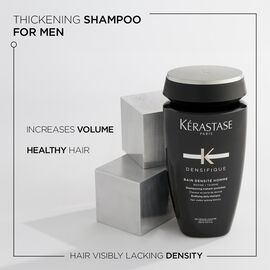
Densifique Bain Densité Homme Shampoo
Thickening shampoo specially designed for men experiencing hair thinning.


