


Causes Of Frizzy Hair: Why It Happens & How To Manage It
Frizzy hair occurs when the hair fibre lacks sufficient moisture, and the outer cuticle becomes raised, allowing hair to absorb moisture from the surrounding air. This can make hair look rough, puffy and difficult to manage. The causes of frizzy hair can range from humidity and dryness to heat styling, chemical treatments and everyday hair habits.
If you’re wondering what causes frizzy hair, there is rarely just one reason. Your hair type, environment, washing routine, styling habits and the condition of the hair fibre can all influence frizz. Understanding the reasons for frizzy hair can help you build a routine that improves smoothness, softness and shine. Read ahead to know more.
What Causes Frizzy Hair?
Frizz happens when individual hair strands don't lie smoothly together. When hair fibres are dry, damaged, or exposed to humidity, the cuticle can become uneven, making hair appear frizzy. Here are some of the most common frizzy hair causes:
1. Humidity
Humidity is one of the biggest contributors to frizz. Hair naturally interacts with moisture in the air, and porous or damaged hair can absorb more of it. This can cause hair to swell and change shape, making hair appear puffier and less defined.
This is particularly noticeable during India's humid and monsoon seasons. If you often ask, “Why is my hair so frizzy?” the weather could be one reason.
2. Dryness & Lack Of Moisture
When hair doesn't have enough moisture, the cuticle may become rough and uneven. Dry hair is more likely to look frizzy because individual hair strands don't remain smooth and aligned.
Over-washing, using unsuitable cleansing products or skipping conditioner can contribute to dryness. Regular conditioning and nourishing treatments can help hair feel softer and more manageable.
3. Heat Styling
Frequent use of blow-dryers, straighteners and curling irons can expose the hair fibre to high temperatures. Repeated heat styling without adequate protection may leave hair dry, weakened and more susceptible to frizz.
Using a heat-protective hair styling product before styling and choosing lower temperatures where possible can help minimise additional stress on the fibre.
4. Chemical Treatments
Hair colouring, bleaching, straightening and other chemical processes can affect the structure of the hair fibre. Over time, processed hair may become more porous and prone to dryness, breakage and frizz.
If your hair is chemically treated, a routine focused on nourishment, strengthening and protection can help improve the appearance and feel of the fibre.
5. Hard Water
Hard water contains minerals such as calcium and magnesium that can accumulate on the hair. This build-up may contribute to a rougher hair feel and make already sensitised hair more difficult to manage.
For hair affected by calcium-related damage, the Kérastase Première range offers targeted care designed to help address the effects of calcium build-up on damaged hair.
6. Rough Handling
Your everyday hair habits can also be among the reasons for frizzy hair. Vigorous towel drying, aggressive brushing, frequent detangling and tight hairstyles can create mechanical stress and contribute to a rougher-looking fibre.
Instead, gently squeeze excess water from your hair, use a soft towel and detangle from the ends upwards.
In Summary
The causes of frizzy hair can range from humidity and dryness to heat styling, chemical treatments, hard water and everyday mechanical stress. Identifying what is affecting your hair can help you create a more targeted routine instead of simply trying to mask frizz.
How To Prevent Frizzy Hair
Understanding the causes of frizzy hair is the first step. The next is adapting your routine to minimise dryness, damage and environmental stress.
Cleanse Without Over-stripping
Choose a shampoo suited to your hair's needs rather than relying on harsh cleansing. For thick, frizz-prone hair, Kérastase Gloss Absolu shampoo for glossy hair is designed to cleanse while helping deliver hydration, smoothness and a shiny finish.
For fine to medium hair that is prone to frizz, Kérastase Discipline anti-frizz shampoo gently cleanses while helping smooth the hair fibre and improve manageability.
Don't Skip Conditioning
Conditioner helps soften the hair fibre and makes detangling easier. Apply it mainly through the mid-lengths and ends, particularly if these areas feel dry or rough.
The Kérastase Gloss Absolu anti-frizz conditioner is designed for frizz-prone hair and helps leave hair softer, smoother and more manageable without compromising its natural movement.
Add A Nourishing Hair Mask
A hair mask can provide more intensive care when your hair feels particularly dry, rough or frizzy.
The Kérastase Gloss Absolu Crème Anti-Frizz Mask is formulated for thick, frizz-prone hair and helps nourish the fibre while enhancing softness, smoothness and shine. This frizzy hair mask can be incorporated into your routine when your hair needs an extra level of conditioning.
Finish With A Serum
A leave-in serum can help smooth the appearance of frizz and provide a finishing layer of care.
For glossy, controlled hair, Kérastase Gloss Absolu Glaze Drops Oil-In-Serum is a lightweight finishing treatment that enhances shine while helping tame frizz. The anti-frizz hair oil can be applied to the lengths and ends as the final step in your routine.
In Summary
Preventing frizzy hair starts with keeping your hair well-nourished and protected from moisture loss. Use a gentle, smoothing shampoo and conditioner, avoid excessive heat styling, and apply a heat protectant before using hot tools. Regular hair masks and hair serums can also help smooth the hair fibre, manage flyaways, and keep hair looking soft and polished.
For thick, frizz-prone hair, Kérastase Gloss Absolu range combines cleansing, conditioning, intensive care and a finishing serum to support smoother, softer and glossier-looking hair. If your hair needs greater manageability and smoothing, Kérastase Discipline provides another targeted approach to controlling frizz.
Not sure which range is the best for you? Head to the Hair Quiz to discover your personalised hair care solution from the comfort of your home. Once confident, add suitable Kérastase hair care products to your regular regimen and flaunt the hair of your dreams effortlessly.
FAQs
1. What is anti-frizz serum?
Kérastase Gloss Absolu Glaze Drops Oil-In-Serum is a finishing serum designed to enhance shine and help tame frizz. An anti-frizz serum is generally a leave-in product applied to the lengths and ends to smooth the appearance of the fibre, improve manageability and add softness.
2. What’s a good hair mask for frizzy hair?
Kérastase Gloss Absolu Crème Anti-Frizz Mask is a good option for thick, frizz-prone hair. It provides nourishing care while helping improve softness and smoothness, making it easier to manage hair affected by dryness, humidity and other common causes of frizz.
3. What shampoo works best for dry, frizzy hair?
Kérastase Discipline Bain Fluidealiste Gentle Shampoo works well for dry, frizzy hair as it gently cleanses while helping smooth the hair fibre and improve softness and manageability. For thicker hair needing hydration and shine, Kérastase Gloss Absolu Bain Hydra-Glaze Shampoo is another option.
4. What are the best products to control frizzy hair?
Kérastase Gloss Absolu offers a targeted routine for thick, frizz-prone hair, including Bain Hydra-Glaze Shampoo, Anti-Frizz Foaming Conditioner, Crème Anti-Frizz Mask and Glaze Drops Oil-In-Serum. For smoothing and manageability, the Kérastase Discipline range is another suitable choice.
5. What is the best hair serum for smooth and healthy hair?
Kérastase Gloss Absolu Glaze Drops Oil-In-Serum is designed to give hair a smooth, glossy finish while helping tame frizz. Its lightweight texture makes it suitable as a finishing step, particularly when you want enhanced shine without losing the natural movement of your hair.
Discover Your Anti-frizz Routine
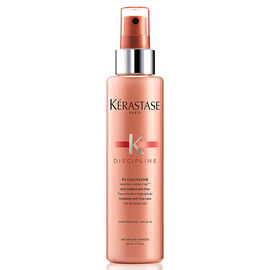
Discipline Fluidissime Anti-Frizz Spray
Anti-frizz hair spray and blow dry heat protectant for frizzy, unruly hair.


Discipline Bain Fluidealiste Gentle Shampoo (Sulphate-Free)
Gentle, sulphate-free smoothing shampoo to control frizzy, unruly hair.


Discipline Maskeratine Mask
A smoothing hair mask for frizzy, unruly hair.


