


What To Do For Shiny Hair: A Simple Hair Shine Routine
Hair shine has long been associated with healthy, well-maintained hair. Whether seen in advertisements or on salon-fresh blowouts, glossy hair instantly enhances overall appearance. But achieving hair shine isn’t just about using the right styling products; it’s closely linked to the structure and condition of the hair fibre.
Understanding what makes hair shiny can help you build a routine that naturally enhances gloss while maintaining hair health. From the structure of the hair cuticle to moisture balance and product choice, several scientific factors influence how light reflects from your hair.
What Makes Hair Shiny?
To understand what makes hair shiny, it’s helpful to look at the structure of the hair. The hair is made up of three layers:
- Cuticle: The outermost layer made of overlapping scales
- Cortex: The inner layer responsible for strength and elasticity
- Medulla: The innermost layer (not present in all hair types)
The cuticle layer plays the most important role in hair shining. When the cuticle scales lie flat and smooth, they reflect light evenly, creating a glossy appearance. However, when the cuticle is rough or raised, light scatters unevenly, causing the hair to appear dull.
Several factors influence cuticle smoothness, including hydration, damage, environmental stress, and styling habits.
Factors That Affect Hair Shine
1. Hair Cuticle Alignment
Smooth cuticles create a mirror-like surface that reflects light. Chemical treatments, rough brushing, or excessive heat can lift the cuticle layer, reducing shine. Maintaining a smooth cuticle is essential for long-lasting hair shine.
2. Moisture Balance
Hydrated hair reflects light more effectively. When hair lacks moisture, it becomes rough and porous, preventing light from bouncing off the surface evenly. Moisture is therefore a key element in ensuring your hair is shining naturally.
3. Surface Smoothness
Frizz occurs when the cuticle lifts and allows humidity to enter the hair fibre. This disrupts the smooth surface required for glossy hair. A smooth, sealed cuticle allows light to reflect more evenly, creating visible shine.
4. Natural Oils
The scalp produces natural oils called sebum, which coat the hair shaft and enhance shine. These oils act as a natural conditioner and contribute to smoother hair. However, factors such as excessive washing or harsh products can strip these oils away, reducing shine.
In Summary
Achieving glossy hair is not simply about appearance; it’s about maintaining the health and structure of the hair fibre. Understanding what makes hair shiny reveals that shine is largely influenced by cuticle alignment, moisture balance, and overall hair health.
What To Do for Shiny Hair: A Science-Based Routine
Instead of relying on quick fixes, maintaining shine requires a structured hair care routine that supports the hair fibre.
Step 1: Cleanse The Scalp & Hair
Clean hair reflects light more effectively because dirt, oil buildup, and styling residues can dull the hair surface.
A gentle shampoo removes impurities while maintaining natural moisture balance. Cleansing regularly helps maintain optimal conditions for hair shine.
Step 2: Condition To Smooth The Cuticle
Conditioners help flatten the hair cuticle and improve surface smoothness. By sealing the cuticle layer, conditioners enhance light reflection, which directly contributes to hair shining.
Regular conditioning also helps maintain hydration and elasticity within the hair fibre.
Step 3: Use Deep Conditioning Treatments
Hair masks provide intensive nourishment and help repair damaged cuticles. These treatments restore smoothness and reduce roughness along the hair surface, which helps improve shine and softness.
Deep conditioning also strengthens the hair fibre, reducing dullness caused by breakage or dryness.
Step 4: Apply Leave-In Treatments
Leave-in products like the hair serum for frizzy hair creates a protective coating around the hair. This helps smooth the cuticle and seal moisture inside the hair fibre.
The protective layer enhances light reflection, making hair appear glossier and healthier.
Step 5: Protect Hair During Styling
Heat styling tools can disrupt the hair cuticle if used without protection. Applying protective hair styling products before styling helps maintain the integrity of the hair fibre and prevents moisture loss.
Protecting the cuticle layer helps preserve the smooth surface required for natural hair shine.
In Summary
Healthy hair naturally appears shinier because its cuticle layer remains intact and smooth. When hair becomes damaged through environmental stress, chemical treatments, or excessive styling, the cuticle becomes rough and uneven. This disrupts light reflection and reduces shine. Therefore, maintaining hair health through proper cleansing, conditioning, and protection is essential for long-lasting gloss.
By following a consistent routine that supports hydration, smoothness, and protection, you can enhance hair shine naturally and maintain luminous, healthy-looking hair over time.
To enhance natural hair shine, incorporating a nourishing serum into your routine can make a noticeable difference. Kérastase hair serum formulas enriched with luxurious oils such as marula, argan, and camellia help smooth the hair fibre, improve light reflection, and restore softness. So, without any further ado, browse through a wide range of Kérastase hair care products to elevate your haircare experience and help your hair appear smoother, glossier, and visibly healthier over time. You can also head to the Kérastase Hair Quiz to understand which product works the best for your hair type.
Frequently Asked Questions
Products You May Like
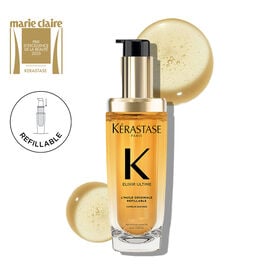
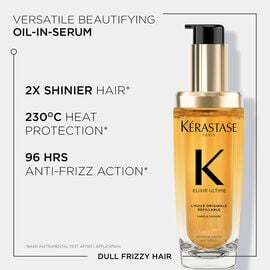
Elixir Ultime Hair Oil-in-serum
Our new refillable, versatile oil-in-serum offers anti-frizz action, protects against heat damage, delivers high-shine performance, and leaves you with supremely soft hair.
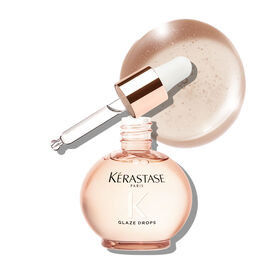
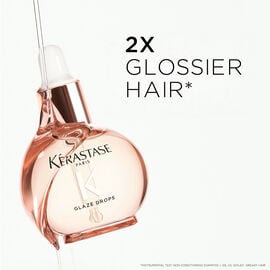
Gloss Absolu Glaze Drops Oil-In-Serum
High-gloss lightweight oil-in-serum for hair prone to frizz
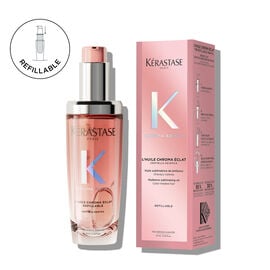
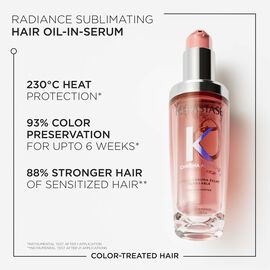
Chroma Absolu Hair Oil-In-Serum
Introducing Chroma Absolu Hair Oil-In-Serum that enhances shine and nourishes color-treated hair, providing long-lasting protection and smoothness.
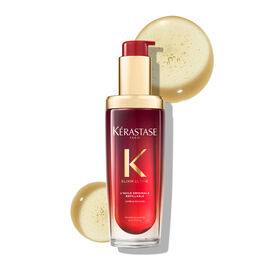
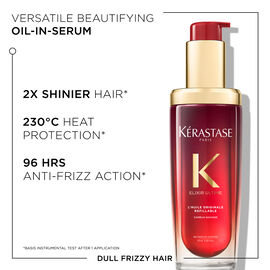
Elixir Ultime Hair Oil-In-Serum Limited Edition


