


The Power Of Heat Protectants: Benefits, Uses & How They Protect Your Hair
Heat styling tools like straighteners, curling irons, and blow dryers can instantly transform your look. From sleek blowouts to defined curls, heat styling offers versatility and convenience. However, frequent exposure to high temperatures can weaken the hair fibre, leading to dryness, frizz, and breakage.
This is where heat protectants for hair become essential. These protective styling products help minimise heat damage while maintaining hair health, shine, and manageability. If you regularly use styling tools, incorporating heat protectants into your routine is one of the smartest steps you can take to keep your hair looking strong and healthy. Read ahead to know more about what is heat protectant for hair.
What Is Heat Protectant For Hair?
A heat protectant for hair is a leave-in styling product applied before using heat tools. It forms a lightweight protective layer over the hair shaft, reducing the direct impact of high temperatures from styling tools.
Many people ask how heat protectant works. These formulas contain ingredients that coat the hair cuticle and slow down heat conduction. This barrier helps distribute heat more evenly, reducing moisture loss and preventing excessive damage to the hair fibre.
In addition to protection, modern heat protectants often provide hydration, smoothness, and shine, making them a multifunctional step in your styling routine.
Why Heat Protectants Are Important?
Regular heat styling can cause several hair concerns, including:
- Dryness and rough texture
- Split ends
- Increased frizz
- Weak hair fibre
- Breakage from heat stress
Using heat protectants for hair significantly reduces these risks by creating a buffer between your hair and styling tools. This protective barrier helps maintain moisture levels while preserving hair strength and elasticity.
Benefits Of Heat Protectant
1. Protects Hair From Heat Damage
The most important benefit of a heat protectant is hair protection from high temperatures. Styling tools can reach up to 200-230°C, which can damage hair proteins. Heat protectants help limit this damage by reducing the intensity of heat reaching the hair shaft.
2. Locks In Moisture
Heat styling often strips moisture from the hair, leaving it dry and brittle. Heat protectants seal hydration inside the hair fibre, preventing excessive moisture loss during styling. This helps hair stay soft, smooth, and nourished even after heat exposure.
3. Reduces Frizz
Humidity and heat can raise the hair cuticle, leading to frizz and flyaways. Heat protectants like the anti-frizz heat protectant spray smoothens the cuticle layer and reduces porosity, helping hair remain sleek and manageable throughout the day.
4. Improves Hair Manageability
Another key benefit of a heat protectant is easier styling. By lubricating the hair shaft and reducing friction, heat protectants make hair easier to detangle and style. This reduces breakage during brushing and styling.
5. Enhances Shine
Healthy, smooth cuticles reflect light better. Regular use of a hair spray for frizzy hair helps seal the cuticle layer, resulting in shinier and healthier-looking hair after styling.
6. Helps Maintain Hair Strength
Frequent heat styling weakens the hair structure over time. Heat protectants strengthen the hair fibre and reduce breakage caused by repeated heat exposure.
In Summary
Heat protectants help shield your hair from the damaging effects of high temperatures caused by styling tools. They reduce moisture loss, smooth the hair cuticle, minimise frizz, and improve overall manageability. By creating a protective barrier, heat protectants allow you to style your hair more safely while maintaining its strength, shine, and health.
When To Apply Heat Protectant?
Heat protectant should always be applied before using any heat styling tool, including:
- Blow dryers
- Straighteners
- Curling irons
- Hot brushes
For best results, apply heat protectant before you blow dry damp hair. This allows the formula to distribute evenly and create a consistent protective layer before styling begins.
How To Apply Heat Protectant?
Knowing how to apply heat protectant correctly ensures maximum protection./p>
Step 1: Start With Clean, Damp Hair
Wash and condition your hair, then gently towel-dry until damp.
Step 2: Apply The Product Evenly
Dispense a small amount of product or spray evenly across your hair, focusing on mid-lengths and ends.
Step 3: Comb Through
Use a wide-tooth comb to distribute the product evenly across your hair.
Step 4: Style As Desired
Once the protectant is applied, you can proceed with blow-drying, straightening, or curling.
Avoid applying heat tools directly to wet hair, as this increases the risk of damage.
In Summary
Applying heat protectant correctly helps shield your hair from damage caused by styling tools. Use it on damp or towel-dried hair before blow-drying or styling, focusing on mid-lengths and ends for even protection and smoother results.
Tips For Using Heat Protectants Effectively
- Always use heat protectants before styling
- Avoid applying excessive hair serum or spray to prevent buildup
- Use the correct amount depending on your hair thickness
- Limit heat styling whenever possible
- Pair heat protectants with nourishing haircare routines
Heat styling can elevate your hairstyle instantly, but it should always be done with proper protection. Heat protectants for hair act as a crucial barrier between your hair and high temperatures, helping maintain moisture, smoothness, and strength. By understanding the role of heat protectants for hair health, learning how heat protectant works, and applying it correctly before styling, you can enjoy beautifully styled hair without compromising its health.
So, without any further ado, explore a wide range of Kérastase hair styling products to flaunt the hair of your dreams, while protecting it effortlessly. With so many options at your disposal, not sure which anti-frizz hair serum or frizzy hair product suits your hair the best? Head to the Kérastase Hair Quiz tool to find your perfect match with ease.
Frequently Asked Questions
Products You May Like
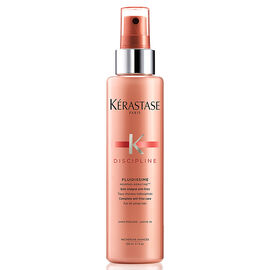
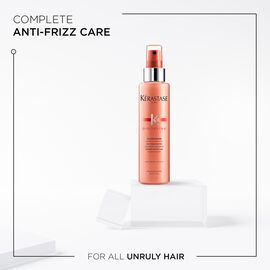
Discipline Fluidissime Anti-Frizz Spray
Anti-frizz hair spray and blow dry heat protectant for frizzy, unruly hair.
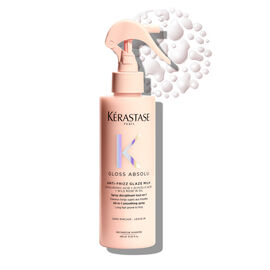
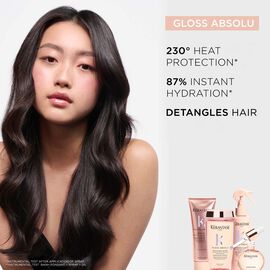
Gloss Absolu Anti-Frizz Heat Protectant Spray
All-in-1 smoothing spray for hair prone to frizz.
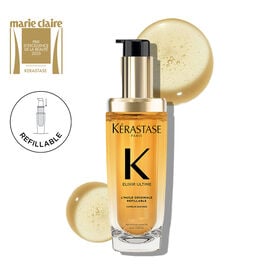
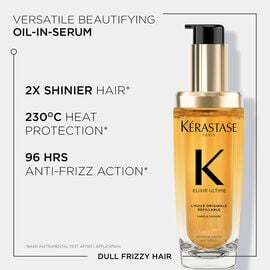
Elixir Ultime Hair Oil-in-serum
Our new refillable, versatile oil-in-serum offers anti-frizz action, protects against heat damage, delivers high-shine performance, and leaves you with supremely soft hair.


